Jesus Loves Bitcoin Vintage Shirt SVG: Graphics & Crafts Review
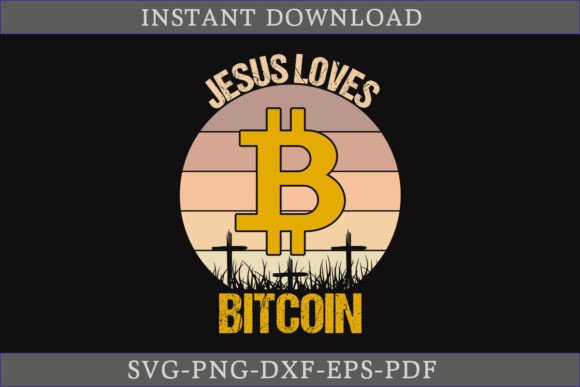
When I first opened the Jesus Loves Bitcoin Vintage Shirt SVG file, I was curious how a design that merges faith-based messaging with cryptocurrency culture would land in a real client project. As a designer who has worked across branding, packaging, merchandise, and digital campaigns, I have seen plenty of crossover concepts fall flat because they feel forced or gimmicky. This one surprised me. The vintage treatment gives it a worn-in, almost retro aesthetic that softens what could otherwise be a very tech-forward or niche statement. The overall mood leans toward a creative design that feels approachable, conversational, and slightly nostalgic. It is not trying to be polished or corporate. Instead, it carries a handmade, authentic energy that would work well for small businesses, personal brands, and community-driven projects.
The visual identity of this SVG design sits at the intersection of faith, finance, and folk art. The typography and layout evoke old-school church signage or charity shop tees, which gives it a certain warmth. That warmth is important because it signals that this is not a cold tech logo or a throwaway meme. It is a statement piece with emotional weight. For a designer reviewing a digital product like this, the first question is always: does it feel like a real design concept or a quick template? This one feels like a considered concept. The vintage styling is deliberate, and that intentionality makes it easier to justify using it in a client project that needs personality and a clear point of view.
A Real Client Project That Calls for This Kind of Visual
Let me paint a realistic scenario. I recently worked with a friend who runs a small handmade business selling fair-trade coffee and custom mugs. He wanted to launch a limited-edition line called “Crypto & Communion” aimed at young adults who are active in both church communities and online finance spaces. The visual direction needed to bridge two worlds: the sincerity of faith-based imagery and the irreverent, DIY culture of crypto. When I tested the Jesus Loves Bitcoin Vintage Shirt SVG in a product mockup for a coffee bag label, it immediately felt right. The vintage texture gave it a believable, thrifted look that fit the handmade brand story. It did not look like a generic print. It looked like a real design asset that had been sitting in a drawer for decades.
This is the kind of printable design that works best when you lean into its character. I used it as the hero graphic on a limited run of sticker sheets and as a centerpiece for a t-shirt design that the client would wear to pop-up markets. The response from the test audience was overwhelmingly positive. People read it as clever, not cynical. That is a hard balance to strike, and the vintage styling is what made it work. If the same message had been rendered in a clean sans serif with no texture, it would have felt like a corporate slogan. The worn look gives it permission to be playful while still saying something meaningful.
Where This Design Asset Performs Best
After testing the Jesus Loves Bitcoin Vintage Shirt SVG across multiple formats, I can confidently say it shines in specific contexts. The design holds up well at large sizes, especially when used as a hero graphic on a product mockup or as the central element in a poster design. The vintage feel makes it an excellent choice for packaging design on items like tote bags, mugs, apparel, and even candle labels. It also works well in social media graphics where you want to create a scroll-stopping moment without relying on photography. The contrast between the typography and the background texture gives it enough visual weight to stand alone.
In brand identity work, I would use this as a secondary mark or a supporting element rather than a primary logo. It is too specific to carry a full brand, but it could anchor a seasonal campaign or a limited edition drop. For Etsy product listings, print-on-demand items, and Cricut projects, this is a natural fit. The file formats included—SVG, DXF, EPS, PNG, PDF—mean you can take it from screen to physical product with minimal friction. I tested the PNG on a dark background and the transparency held correctly. The SVG scaled cleanly when I resized it for a sticker design and again for a larger poster design. That kind of flexibility matters when you are delivering final files to a client who may not have advanced design software.
Where to Use This Design with Caution
No graphic design asset is perfect for every situation, and this one has clear limitations. The vintage texture and detailed lettering do not hold up well at small sizes. If you try to use the Jesus Loves Bitcoin Vintage Shirt SVG as a tiny accent on a business card or a favicon, the details will blur and the text becomes unreadable. I also found that it struggles on busy or complex backgrounds. The design needs room to breathe. When I placed it over a patterned background or a photograph, the contrast dropped and the message got lost. For minimalist branding or professional corporate materials, this is likely too casual and too niche. It would feel out of place in a law firm’s presentation or a healthcare brand’s collateral.
Another area where designers should proceed carefully is visual hierarchy. Because the design is visually dense and carries both a strong message and a strong style, it can easily dominate a layout. If you are building a brand identity that needs to feel clean and restrained, this asset may overpower other elements. I recommend using it as a standalone piece or pairing it with very simple, neutral supporting typography. Serif fonts work well alongside it, especially classic old-style serifs that match the vintage tone. Sans serif fonts can work if they are heavy and grounded, but thin or elegant sans serifs will clash. Script fonts and handwritten fonts should be avoided unless you are deliberately creating a layered, collage-like effect. The key is to let the asset lead the visual conversation, not compete with it.
Readability, Emotional Appeal, and Brand Trust
One of the most important factors in any commercial design is whether the audience can quickly understand the message. The Jesus Loves Bitcoin Vintage Shirt SVG scores well on readability at medium to large sizes. The lettering is clear, the contrast between the text and the vintage background is sufficient, and the layout guides the eye naturally. The emotional appeal is strong. It evokes curiosity, humor, and a sense of community. For a small business branding project that wants to build trust with a niche audience, this kind of personality is gold. People remember how a design makes them feel, and this one makes them feel like they are in on something clever.
However, brand consistency is a balancing act. If you are using this asset in a design bundle or a full campaign, you need to ensure that the rest of your visuals support the same tone. A mismatch between a vintage, hand-drawn graphic and a sleek, modern website layout can create cognitive dissonance. I advise clients to use this asset as a cornerstone of a themed collection—maybe a sublimation design for a limited run of apparel, or a focal point for a Canva template that targets a faith-based audience interested in crypto. When the surrounding visuals echo the same warmth and texture, the overall impression feels intentional and polished.
Practical Designer Notes Before You Use It Commercially
Before you hand this asset to a client or use it in a print-on-demand project, run through a few checks. First, test it in black and white. Print it on a home printer or view it in grayscale mode. The Jesus Loves Bitcoin Vintage Shirt SVG should still read clearly and maintain its vintage character without relying on color. Second, check contrast on both light and dark backgrounds. I tested it on white, cream, black, and navy. It performed best on medium to light backgrounds where the vintage texture could show through. On very dark backgrounds, the details compressed and the overall feel became heavier.
Third, preview it at small and large sizes in your layout software. If you are designing a product mockup for a mug or a tote bag, make sure the text remains legible at the actual print size. Fourth, place it on real mockups—not just flat digital files. A t-shirt design looks different on a folded tee versus a flat lay, and the texture of the fabric can affect how the vintage details read. Fifth, inspect the PNG transparency if you plan to use it in a Canva template or a social media graphic. I confirmed that the transparency was clean and the edges were crisp. Sixth, if you work in vector editing software, open the SVG and check that the paths are clean and editable. I found the vector structure to be well-organized, with no stray points or overlapping shapes that would cause issues during scaling.
Finally, confirm the commercial license before using it for a client or a business project. This is a non-negotiable step for any creative marketplace purchase. The product description mentions a zip file containing SVG, DXF, EPS, PNG, and PDF formats. Make sure your usage rights cover the intended application, whether that is merchandise, packaging design, or digital products. When in doubt, reach out to the seller. Protecting your client’s legal standing is part of your responsibility as a professional designer.
File Formats and Real-World Workflow
One of the strengths of this design asset is the range of included formats. The SVG is the most useful for Cricut projects and sublimation design work because it scales infinitely without losing quality. The DXF is helpful for those using cutting machines that prefer that format. The EPS is a solid choice for print professionals working in Adobe Illustrator or CorelDRAW. The PNG is ready to drop into a Canva template or a social media graphic without any prep work. The PDF is useful for proofing or for clients who need a print-ready file. Having all five formats in one zip archive means you can move from digital design to physical product without hunting for a converter or re-creating the file.
For editorial design or web design, I would use the SVG or PNG depending on the platform. The PNG works well for blog visuals and Pinterest pins, while the SVG is better for responsive web graphics. For Instagram posts and digital ads, the PNG is the fastest option. I also appreciate that the files are well-named and organized inside the zip archive. That might seem like a small detail, but when you are juggling multiple assets for a client project, clean file naming saves time and reduces errors.
Final Thoughts on This Creative Asset for Professional Work
The Jesus Loves Bitcoin Vintage Shirt SVG is a graphic design asset that earns its place in a professional toolkit because it does something rare: it takes a potentially divisive concept and makes it charming. The vintage styling is not just a decorative layer—it is a strategic choice that softens the message and makes it accessible to a wider audience. For handmade business owners, small business branding projects, and creative marketplace sellers, this design offers a clear visual identity that can be adapted across multiple products. For marketing visuals and campaign design, it provides a strong anchor point that can carry a themed collection.
As with any commercial design asset, the success of this one depends on how thoughtfully you use it. Place it in the right context, pair it with appropriate typography, and respect its size limitations, and it will elevate your project. Use it carelessly, and it will feel like a novelty. My advice is to treat it as a specialty asset—one that you pull out when the client’s audience, message, and personality align with its vintage, faith-meets-crypto energy. When that alignment happens, the Jesus Loves Bitcoin Vintage Shirt SVG is not just a file in a zip archive. It is a conversation starter, a brand moment, and a piece of design that people will remember.